Feed the soil.Grow the harvest.
Mavuno Pro Max Biorganics turns farm and slaughterhouse by-products into organic fertilizer, and raises Mavuno seedlings, from Kikuyu, Kiambu County.
 Click to Open
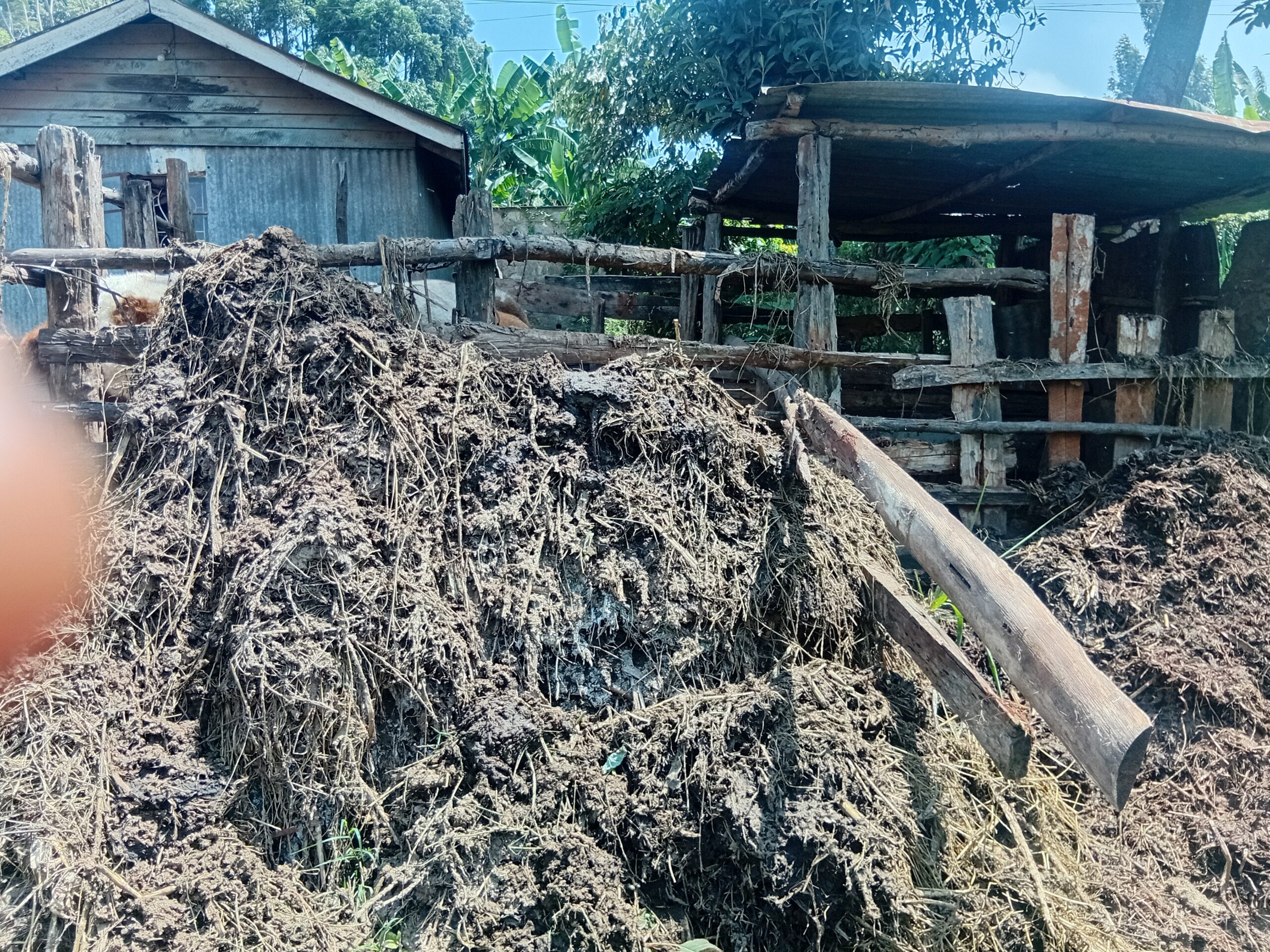
Waste in. Fertile soil out.
Mavuno began as a small compost enterprise in Kinoo. Today Mavuno Pro Max Biorganics Limited, a Kenyan company registered in 2026, makes organic fertilizer from slaughterhouse by-products and smallholder farm residues, so farmers can rebuild tired soil at a fair price.
Who we are
A young Kenyan team led by founder and director Eddy Gachanga Wachera. We believe healthy farms start with healthy soil, and that this work should include the youth and women who do it.
Youth-led
Built by young entrepreneurs who create jobs and skills in the organic fertilizer and seedling value chain.
Women included
We work with women as farmers, suppliers, staff and distributors, and grow that role each year.
Organic first
Environmentally sound practice and honest product claims, tested before they reach the market.
What we do
From the compost heap to the farm gate, we cover the products and support that growers need.
Organic fertilizer
Our main product: nutrient-rich organic fertilizer made from slaughterhouse by-products and smallholder farm residues, bagged for farms of every size.
Mavuno seedlings
Healthy seedlings raised in our nursery, ready for planting with organic fertilizer from the same source.
Bulk and B2B supply
Planned deliveries for horticulture, flower farms, tea estates, county programmes and schools.
Farmer training
Hands-on sessions on composting, soil health and safe handling.
Mavuno merchandise
Branded goods that carry the Mavuno name further.
From waste to harvest
Four steps take local by-products to a bag of organic fertilizer you can trust on your farm.
- 01
Source
Slaughterhouse by-products and smallholder farm residues are collected from local suppliers.
- 02
Compost
The feedstock is processed into organic fertilizer at our site in Kikuyu.
- 03
Test
Formulation changes are lab-analysed against KEBS standards before they reach the market.
- 04
Deliver
Organic fertilizer and seedlings are packed and sent in planned deliveries to farms, estates and institutions.
Our work, up close
Real days at the compost yard, the nursery and the events where we meet growers.
The frameworks behind every bag
Turning by-products into organic fertilizer sits inside a stack of rules and commitments that runs from global climate targets down to the county gate. Filter by level to see where Mavuno's work lines up, and scroll to watch the policy landscape shift.
UN Sustainable Development Goals on hunger, responsible consumption and land, plus the Global Methane Pledge, push organic waste out of landfills and back into soil.
The Malabo Declaration and the African Circular Economy Alliance set continent-wide goals for soil health, agricultural transformation and circular business models.
The East African Organic Products Standard gives the region a shared bar for organic production that Mavuno fertilizer and seedlings are grown against.
The Sustainable Waste Management Act and plastics regulations set the legal floor for how by-products must be sourced, processed and sold.
- 2007Regional
East African Organic Products Standard
The EAC's shared standard for organic agriculture, adopted by Kenya, Tanzania, Uganda, Rwanda and Burundi as the region's official mark of organic production.
- 2014Continental
Malabo Declaration
African Union heads of state commit to agricultural transformation, soil health and halving post-harvest losses across the continent by 2025.
- 2015Global
UN Sustainable Development Goals
SDG 2, 12 and 15 tie zero hunger, responsible consumption and healthy land together, the same loop Mavuno closes with organic fertilizer.
- 2016Continental
African Circular Economy Alliance
Founded by Rwanda, Nigeria and South Africa to push circular economy policy at national, regional and continental level, now dozens of member states strong.
- 2017National
Kenya's plastic bag ban
One of the world's strictest bans on plastic carrier bags takes effect, an early signal of Kenya's shift toward waste rules with real teeth.
- 2021Global
Global Methane Pledge
Governments commit to cutting methane emissions, a direct line to how organic and slaughterhouse waste is collected and processed rather than dumped.
- 2022National
Sustainable Waste Management Act
Kenya's law sets out extended producer responsibility, the polluter-pays principle and a "zero waste" principle, the legal backbone of an organic fertilizer business.
- 2024Continental
Nairobi Declaration on Fertiliser & Soil Health
Hosted in Kenya, African governments commit to restoring soil health and expanding access to organic and inorganic fertiliser across the continent.
- 2024National
Plastic Packaging Materials Regulations
Kenya tightens rules on plastic packaging and mandates biodegradable bags for organic waste collection, feeding cleaner feedstock into fertilizer production.
From bans to soil health
Early policy laid the groundwork, from the 2007 organic standard to Kenya's 2017 plastic bag ban. In recent years the focus has moved beyond limits toward what comes next. New rules now cover extended producer responsibility and zero-waste principles in law, alongside continental declarations that place soil health and fertiliser access at the centre of the agenda. Mavuno's organic fertiliser and seedlings sit squarely within that shift.
Partners who grow with us
Public institutions and organisations that back our market and mission.
The people behind Mavuno
Farmers, processors, drivers and marketers who show up every day to turn waste into harvest. Want to join us or work with us? We would love to hear from you.